

Urban development and environmental protection, contrary to popular belief, are not mutually exclusive challenges. In other words, it is possible to protect and conserve without sacrificing land suitable for construction, especially given the urgent housing demand in our country.
Today, the Valparaíso Region has the second-largest housing deficit, according to the Techo-Chile Foundation. This was corroborated by the Ministry of Housing in its latest report on the progress of the Emergency Housing Plan, which indicates that the Valparaíso Region, along with the Metropolitan and Biobío Regions, account for the greatest housing needs, representing approximately 60% of the total.
Within this region lies Puchuncaví, a town with diverse realities and challenges. Like other communities, Puchuncaví faces a shortage of land, forcing some residents to adapt to living on undeveloped or irregular plots, while many families, due to lack of space, have had to migrate to other communities, despite being born and raised in Puchuncaví.
Addressing the housing challenge is crucial, especially considering the projected 34% growth for the area over the next ten years, according to the GFK study “Growth, Population, and Housing.” Ultimately, Puchuncaví and its surrounding areas will experience growth that compels us to consider how we want this growth to unfold and how we balance the need for urban development with the protection of the environmental attributes that so characterize this community.
Maratué’s proposal is to develop a planned and organic alternative that responds to the projected urban growth of the municipality, while also protecting and conserving the area’s environmental attributes, sustainably projecting its richness to future generations. This initiative aims to improve the quality of life for the residents of Puchuncaví.
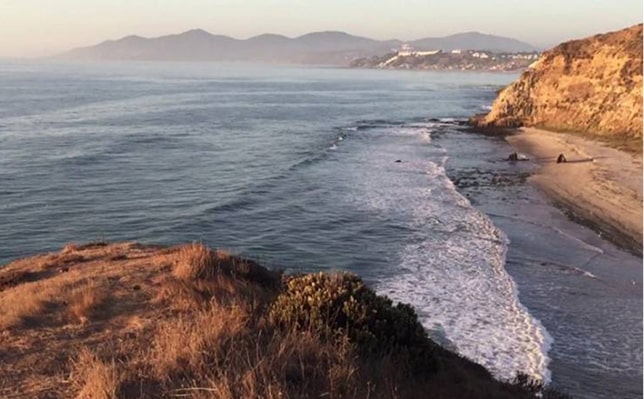
With this purpose in mind, we have developed a long-term project, primarily focused on first-time homeownership, including social integration with housing subsidies, on urban land with access to electricity and sanitation. The project includes a conservation area called Quirilluca Park, which seeks to preserve the species that inhabit it. The park aims to protect the 197 northern belloto trees and the more than 5,000 boobies that nest annually on the cliffs during the summer, as well as safeguard two urban wetlands. We are undertaking a pioneering project, allocating 50% of its surface area exclusively to green spaces and environmental protection.
Our project’s premise is based on the fact that, given the attributes of the commune, it is possible to move from a vocation historically characterized by industrial development, to one based on planned urban development committed to the environmental and tourist value of the area, offering a quality alternative to the current and future inhabitants of Puchuncaví.